
Why Is My Water Heater Making a Popping or Rumbling Noise?
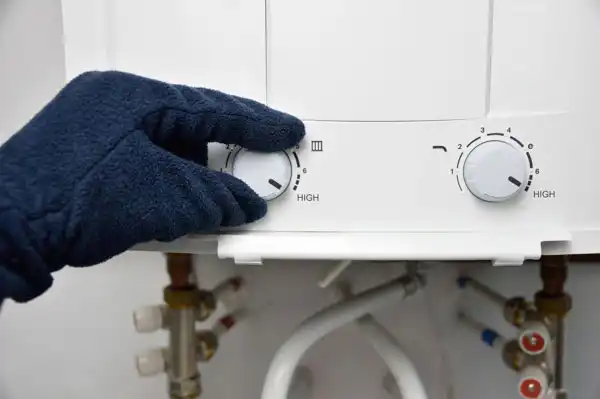
A quiet utility closet is easy to take for granted until unexpected sounds start echoing from your plumbing. If you find yourself asking why your water heater is making a popping or rumbling noise, the answer usually points to mineral buildup at the bottom of your tank. These sounds indicate that your unit is straining to heat water due to heavy scale buildup. Addressing these sounds early protects your equipment and prevents unexpected breakdowns in your home.
Over time, dissolved minerals in municipal and well water supplies settle at the base of the water heater. As these minerals build up, they trap pockets of water that boil and create distinct popping sounds. This guide explains how sediment causes system noise, reviews alternative causes like thermal expansion, and outlines clear solutions to protect your hot water system.
Why Is My Water Heater Making a Popping or Rumbling Noise?
How Sediment Accumulates in Tank Water Heaters
Water across the Hudson Valley contains naturally occurring minerals, including calcium carbonate and magnesium. When cold water enters the tank, heating causes these dissolved minerals to precipitate out of the liquid. The heavy mineral particles sink to the bottom and form a soft mineral slurry. Over months of heating cycles, this slurry bakes into a hard, cement-like scale. Gas burners and electric heating elements must then transfer heat through this dense mineral layer to warm the water above it.
Why Mineral Deposits Create Popping and Rumbling Sounds
The primary reason for tank noise comes down to basic thermodynamics. Water gets trapped underneath and inside the hardened scale layer. Because the heat source sits directly beneath this buildup, trapped water rapidly reaches its boiling point of 212 degrees Fahrenheit. Steam bubbles form under intense pressure beneath the solid crust. As pressure builds, steam bursts through the mineral layer, producing a loud popping sound. When large steam pockets agitate the heavy sediment bed, the entire unit produces a deep rumbling sound that vibrates through nearby floorboards.
Alternative Causes of Water Heater Noise
Sediment buildup causes most tank noises, but other factors can create similar sounds. High water pressure above 80 pounds per square inch causes stress on pipe joints and valves. This excess pressure leads to sharp thumping sounds when faucets turn off quickly. Thermal expansion is another common cause. As water heats and expands inside a closed plumbing network, increasing volume creates ticking or creaking sounds in connected supply lines. Loose pipe straps and failing pressure-reducing valves also produce rattling noises that homeowners sometimes mistake for tank sounds.
Risks of Ignoring Water Heater Rumbling and Popping
Reduced Heating Efficiency and Higher Energy Use
Sediment acts as a thick thermal insulator between the heat source and the water. According to data from the U.S. Department of Energy, a 1/2-inch layer of mineral scale can reduce heat transfer efficiency by 10% to 15%. This barrier forces your heating system to run up to 30% longer during each cycle to achieve the thermostat set point. Extended heating cycles waste fuel, increase utility bills, and accelerate component wear.
Physical Damage to the Water Heater Tank
Trapped heat beneath mineral deposits creates severe thermal stress on the steel tank base. Standard water heater tanks feature an internal glass lining to shield steel from water corrosion. Localized overheating creates extreme temperature differences across the tank bottom, which cracks the protective glass lining. Once bare steel contacts water, rust forms quickly. Over time, severe overheating weakens the metal structure, leading to tank leaks or catastrophic tank failure.
How to Resolve and Prevent Water Heater Noise
Professional Tank Flushing and Scale Removal
Flushing the water heater is the primary method to eliminate sediment buildup. A technician attaches a drain hose to the lower flush valve to remove trapped mineral slurry. When scale hardens into solid sheets, simple gravity draining may not clear the tank. Technicians use specialized mechanical agitation tools and neutral descaling solutions to break apart stubborn deposits without damaging the inner glass lining.
Long-Term Prevention Strategies
Installing a whole-home water softener or dedicated water filtration system stops hard water minerals from entering your tank. Softening systems swap calcium ions for sodium ions, preventing scale formation entirely. Scheduling annual maintenance inspections keeps your system running efficiently. Technicians also check and replace sacrificial anode rods during regular visits, preserving tank integrity and preventing corrosion.
Keeping Your Water Heater Quiet and Efficient
If you’re wondering why your water heater is making a popping or rumbling noise, prompt action can prevent permanent tank damage. Sediment buildup reduces operating efficiency and causes thermal stress on internal components. Identifying whether noise stems from mineral scale, thermal expansion, or water pressure helps you take the right corrective steps. Routine flushing and water conditioning maintain quiet operation and extend equipment service life.