Guide to Backflow Testing in Kingston, NY
Drinking water must flow in one direction. It moves from municipal main lines or private wells directly into home fixtures. Pressure drops can disrupt this flow. Non-potable water from irrigation lines, boilers, or fire systems can reverse direction. This reversal sends untreated water into clean pipes. Homeowners schedule professional backflow testing in Kingston, NY to keep drinking water clean. Certified inspections ensure protective valves operate correctly during pressure changes.
Backflow events happen without warning. Regular testing verifies that safety valves block cross-contamination. This guide explains how backflow occurs, local plumbing regulations, and what happens during a professional test.
How Backflow Testing in Kingston, NY Works
Backflow happens when non-potable water flows backward into fresh water lines. Hydraulic changes in the municipal system cause this reversal. Plumbers classify these changes into back-siphonage and backpressure.
Back-Siphonage vs. Backpressure
Back-siphonage occurs during a sudden drop in main line pressure. City water main breaks or heavy fire hydrant use create a vacuum effect. This vacuum pulls stagnant water from garden hoses or lawn sprinklers into drinking lines.
Backpressure occurs when downstream pressure exceeds supply line pressure. High pressure from a home heating boiler, private well pump, or irrigation pump pushes water backward. The pressurized fluid enters the main supply network.
Protection Devices and Testing Controls
Mechanical backflow devices use spring-loaded check valves to block backward flow. Internal rubber seals close when pressure drops or reverses. Over time, mineral deposits and wear cause internal parts to degrade.
Homeowners can check assemblies visually for exterior leaks or body damage. However, DIY checks cannot measure internal pressure differentials. State regulations require testing with calibrated differential pressure gauges. A certified technician connects test kits to dedicated ports to measure valve tightness.
Plumbing Code Requirements for Backflow Prevention
Plumbing codes protect public drinking water systems from hazardous connections. New York State Sanitary Code Subpart 5-1.31 mandates backflow containment devices on hazardous service lines. The City of Kingston Water Department requires annual testing for certified assemblies.
Common Residential Cross-Connections
Many homes feature connections between potable lines and non-potable sources. Common setups requiring backflow protection include:
- Lawn sprinkler networks connected to municipal water supplies.
- Hydronic boiler heating systems containing chemical additives.
- Residential fire sprinkler lines with standing water.
- Auxiliary private wells connected to public water service.
Maintenance Costs and Trade-offs
Backflow assemblies provide critical health protection, but they require ongoing maintenance. Internal rubber seals, relief valves, and springs wear down every 3 to 5 years. Sediment in municipal lines can prevent internal discs from sealing tight. Replacing worn internal components prevents valve failure and keeps your property compliant with state standards. Regular backflow testing in Kingston, NY catches seal wear before total assembly failure occurs.
What to Expect During an Inspection
A professional backflow assembly test is straightforward and quick. Technicians complete most inspections in under an hour with minimal water disruption.
Visual Checks and Isolation
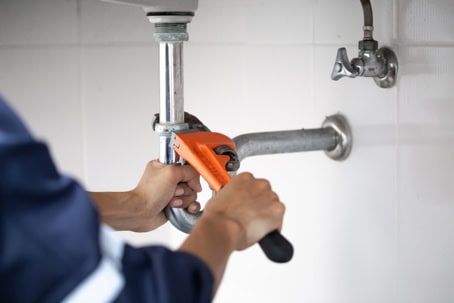
The plumber locates the backflow assembly near the water meter or main shutoff valve. The plumber inspects the assembly body for physical damage, rust, or leaking joints. Next, the technician shuts downstream valves to isolate the device for pressure testing.
Gauge Testing and Certification
The technician connects a calibrated differential pressure gauge to test ports on the assembly. The gauge measures pressure drop across each check valve and relief port. If all components hold required pressure, the technician reopens main supply valves. The plumber completes mandatory compliance forms and provides official records for local water authorities.
Key Takeaways on Backflow Testing
Maintaining safe drinking water requires routine cross-connection monitoring. Annual testing confirms that check valves and relief mechanisms function during pressure shifts.
Catching worn seals early prevents hazardous contamination. Annual testing protects home plumbing systems and keeps properties compliant with local health standards.
Protecting your home's water supply, one test at a time
Schedule Your Backflow Testing Today
JSP Home Services provides professional plumbing diagnostic and testing services across the Hudson Valley. Dispatching from Kingston, NY, our licensed team serves homeowners in Glenford, Barrytown, Accord, Woodstock, Bearsville, Staatsburg, Rhinebeck, West Shokan, and Red Hook. We have been in business for over 15 years, delivering straightforward recommendations and upfront pricing.
Contact JSP Home Services to book your backflow assembly inspection and protect your home water supply.