Do UV Lights and Air Purifiers Actually Improve Home Air Quality?
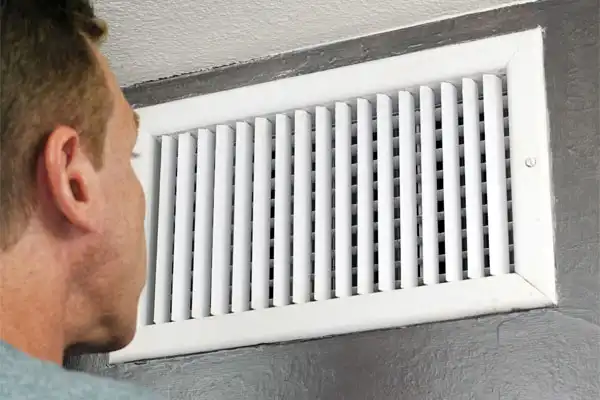
Whole-house UV lights and air purifiers improve indoor air quality when professionals install them directly into central HVAC ductwork. Standard fiberglass filters capture large debris like dust and lint. However, smaller microscopic particles easily pass through basic media. Installing specialized air purification equipment targets airborne biological contaminants and fine particulate matter before air circulates through living spaces. Homeowners in Kingston and surrounding Hudson Valley towns often ask if these devices deliver measurable benefits. Research shows that combining ultraviolet germicidal irradiation with high-efficiency mechanical filtration significantly lowers indoor pollutant levels.
How Germicidal UV Lights Clean System Air and Components
Target Biological Growth Inside HVAC Units
Germicidal ultraviolet lamps produce UV-C light at a wavelength of 254 nanometers. This specific wavelength disrupts the DNA and RNA of viruses, bacteria, and mold spores. When technicians mount these lamps inside ductwork or near indoor A/C coils, the light inactivates microorganisms as air passes through. Moisture frequently gathers on cooling coils during humid Hudson Valley summers, creating an ideal surface for microbial growth. Installing UV lights directly facing the evaporator coil keeps coil surfaces clean and prevents mold spores from entering the airflow.
Coil Scrubbing Versus Air Stream Sanitation
Coil-sterilization lamps run continuously to sanitize stationary metal surfaces inside an air handler. In contrast, air-sanitizing UV lamps target organic pollutants moving quickly through return air ducts. Moving air passes the light source in less than one second. Therefore, air-sanitizing lamps require higher intensity output to neutralize floating microbes effectively. Residents in Glenford and Accord who deal with seasonal allergies benefit from combining coil-cleansing UV lamps with high-efficiency mechanical filtration.
How UV Lights and Air Purifiers Work Together
Mechanical Filtration and Media Air Cleaners
Ultraviolet lamps neutralize living organisms, but they do not remove inorganic dust, smoke, or pet dander. Whole-house mechanical air purifiers filter out solid debris using dense media material fitted in ductwork. Filters rated MERV 11 to MERV 13 capture up to 90 percent of particles between 1.0 and 3.0 microns, including fine dust and pollen. HEPA systems capture 99.97 percent of particles down to 0.3 microns. Proper sizing remains essential because overly restrictive air filters can strain blower motors and reduce system efficiency.
Electronic and Ionizing Air Purifiers
Electronic air purifiers use electrostatic precipitation or ionization to trap airborne pollutants. These devices send an electrical charge to incoming particles, causing them to cling to oppositely charged collector plates inside the unit. Other systems release charged ions into living space air to make dust cluster together, allowing media filters to catch them easily. Residents in Woodstock, Rhinebeck, and Red Hook often combine electronic filtration with UV lights to handle both solid particles and biological growth.
Choosing the Right Indoor Air Quality Solution
Identifying Specific Air Quality Problems
Every residence experiences distinct indoor air challenges based on home age, ventilation rates, and occupancy. Homes with persistent humidity problems or past moisture intrusion benefit most from germicidal ultraviolet lamps mounted near the evaporator coil. Properties near busy roadways or rural areas in Bearsville, Staatsburg, and West Shokan may require MERV 13 media filters to manage pollen, soot, and road dust. Conducting a professional indoor air quality assessment helps determine which equipment configuration addresses your specific home environment.
Professional Installation and Maintenance Standards
Installing whole-house air treatment equipment requires precise integration with existing heating, cooling, and electrical systems. Improperly placed ultraviolet lamps can degrade vulnerable plastic drain pans inside an air handler. UV bulbs lose intensity over time and typically require replacement every 12 to 24 months to maintain effective germicidal output. Combining annual HVAC maintenance with regular filter replacements ensures equipment operates at design efficiency.
Summary of UV Light and Air Purification Benefits
Whole-house air treatment systems offer complete coverage when paired with properly operating heating and cooling equipment. UV-C lamps excel at targeting organic surface growth and airborne pathogens, while media and electronic purifiers remove dust and particulate matter. Combining these complementary technologies improves indoor air quality across every room in a home.
Planning an Indoor Air Quality Assessment
Evaluating indoor air needs involves reviewing ductwork condition, filtration levels, and humidity control. Professional technicians evaluate your central HVAC setup to recommend appropriate purification equipment for your home. System assessments include a thorough walkthrough of heating and cooling components, airflow measurements, and duct inspections. Proper equipment sizing and professional placement ensure long-term system performance and cleaner indoor air.