
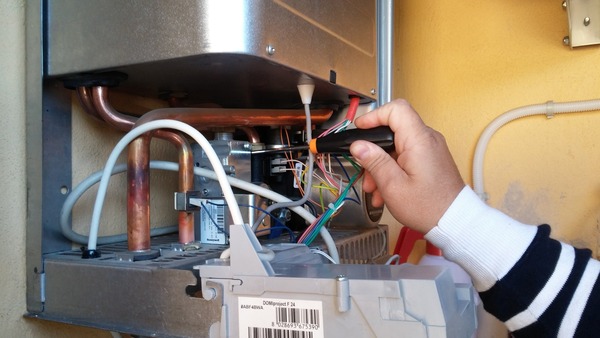
Preparing your hydronic heating system starts with proactive boiler maintenance before winter, before freezing Hudson Valley temperatures strain your equipment. A complete pre-season assessment focuses on three critical areas: verifying that your system holds steady operating water pressure, clearing trapped air from heat distribution loops, and having a certified professional verify safety controls and mechanical burners. Addressing small operational changes during early autumn prevents sudden mid-winter shutdowns when you need dependable heat the most.
Many homeowners in Kingston and surrounding Ulster County communities rely on closed-loop hydronic boilers connected to radiant baseboards or iron radiators. When seasonal disuse leaves these closed piping networks with minor pressure drops or pockets of stagnant air, your living spaces will experience uneven warmth and unusual pipe noises. This guide walks through monitoring your pressure dials, identifying air bound heating elements, and understanding the detailed diagnostic checks performed during a contractor service visit.
Monitoring Boiler Pressure and the Expansion Tank
How to Read the Boiler Pressure Gauge
A hydronic boiler relies on steady internal water pressure to circulate warmth through pipes to every room in your home. Locating the boiler pressure gauge on your unit allows you to monitor how the system behaves both when idle and during a full firing cycle. Most residential dials feature a visible green zone indicating the safe operating range specified by the manufacturer. If the needle drops below this designated operational marker, water volume has likely dropped, preventing hot water from reaching upper floors.
The Critical Role of Your Expansion Tank
When pressure climbs above the safe threshold indicated on the dial face, the pressure relief valve will discharge water onto the floor to prevent excessive stress on piping joints. Frequent water puddles around the discharge tube often point toward a failed expansion tank or an issue with the automatic water feeder valve. The tank contains an internal rubber bladder designed to absorb water expansion as boiler water warms and expands. Over time, that bladder can lose its air charge or rupture completely, creating a waterlogged tank that forces internal pressure to spike rapidly whenever the burner ignites.
Checking for tank waterlogging is straightforward during a routine mechanical walkthrough. Tapping the side of a diaphragm-style tank with a knuckle should produce a hollow sound near the air end and a dull thud near the water connection. If the entire unit sounds solid and heavy, the internal cushion is gone. Homeowners seeing steady water leaks from relief piping or recurring pressure swings should contact trained technicians for dedicated boiler repair and maintenance services before winter weather arrives.
Radiator Performance and Clearing Trapped Air
Recognizing Air Pockets in Older Cast Iron Radiators
As water circulates through boiler pipes over months of operation, microscopic air bubbles inevitably separate from the liquid and rise to the highest points of your heating loops. In many Hudson Valley properties, classic cast iron radiators or second-story fin-tube convectors become trapped with these air pockets. Because air is an insulator and cannot transfer warmth like water, an air bound radiator stays cold along the top section while the bottom remains warm to the touch. This condition restricts circulation, forces your boiler to fire for longer durations, and produces gurgling or clanking noises in the walls.
Step-by-Step Method for Bleeding Radiators
Resolving this uneven heat requires bleeding radiators to purge accumulated air from each heating unit. Before you begin, switch off your thermostat and allow the circulating pumps to stop, which prevents the system from pulling outside air back into the plumbing lines. Grab a specialized radiator valve key or a slotted flathead screwdriver, alongside an absorbent rag and a small collection cup. Starting with the lowest floor and working upward toward the top level of your home ensures an orderly removal of trapped gas.
Insert the key into the small bleed valve located near the upper corner of the radiator and rotate it counterclockwise a quarter turn. You will hear a steady hissing sound as pressurized air escapes from the valve opening. Keep a rag positioned directly beneath the vent until water begins to dribble out steadily without sputtering. Once a solid stream of water appears, close the valve firmly without over-tightening the brass threads. Completing this step as part of thorough boiler maintenance before winter restores balanced distribution across all living zones.
What a Technician Checks During a Professional Visit
Combustion Analysis, Burners, and Heat Exchangers
While homeowners can keep an eye on pressure readings and bleed convectors, complex mechanical components require hands-on technical tools. Scheduling an annual boiler tune-up ensures that qualified technicians inspect internal combustion passages that are inaccessible during ordinary homeowner checks. Experienced Kingston heating technicians begin with the burner assembly, brushing away soot accumulations and inspecting the flame sensor and ignition electrodes for corrosion. Clean burner ports ensure balanced fuel ignition, smooth flame presentation, and stable heat transfer across cast iron or stainless steel heat exchanger walls.
Electrical Controls, Circulator Pumps, and Safety Valves
A comprehensive heating system inspection also examines venting paths, chimney draft connections, and draft hoods to verify that combustion gases vent safely outdoors. Technicians utilize calibrated combustion analyzers to measure flue gas temperatures and verify that carbon monoxide levels remain within safe operating thresholds. Ensuring your home has working, hardwired smoke and CO detectors provides an essential secondary layer of indoor safety during winter heating months. Any indication of soot buildup or delayed ignition requires prompt mechanical correction before cold weather settles over the area.
Beyond combustion, the service technician tests electrical switches and outlets, zone valves, and circulator pumps that drive heated water through your home. The low-water cutoff device undergoes testing to confirm it cuts burner power immediately if boiler fluid drops, guarding against dry firing and cracked blocks. Technicians also test the aquastat high-limit control, lubricate pump bearings, and confirm that backflow preventers operate without weeping. Verifying dependable circulation throughout perimeter rooms helps protect plumbing lines against cold snaps, avoiding the hazard of frozen burst pipe emergencies during sub-zero nights.
Keeping Your Hydronic System Reliable All Season
Taking time to understand your hydronic boiler pays dividends when harsh winter weather arrives in upstate New York. Keeping a watchful eye on your system pressure gauge, purging air pockets from baseboard convectors, and scheduling seasonal service protect your home from sudden mid-season failures. Professional boiler maintenance before winter confirms that burners burn cleanly, safety shutoffs respond instantly, and every living zone receives steady hydronic heat. Giving your boiler early attention allows you to spot worn expansion bladders or leaking air vents before small mechanical defects turn into urgent no-heat emergencies.
Schedule Your Pre-Winter Boiler Service in Kingston, NY
When you need dependable heating support across Ulster County and the Hudson Valley, turn to the licensed team at JSP Home Services. Dispatching from Kingston, NY, our licensed professionals have served local homeowners for over 15 Years with upfront pricing and honest recommendations. We handle complete boiler tune-ups, hydronic pressure balancing, and emergency heating repairs 365 days a year. Our service trucks regularly travel to homeowners in Kingston, Woodstock, Rhinebeck, Accord, Glenford, Barrytown, Bearsville, Staatsburg, West Shokan, and Red Hook. Call us today to book your heating service.